

As September approaches, the fall sports season is about to begin. Sports injuries—especially sports-related brain injuries—have long been a major medical interest of mine. While many sports can cause brain injuries in pediatric patients, most of these injuries occur from tackle football. Concussions are the best-known sports-related brain injury, but an increasing concern in tackle football is the repeated sub concussive head impacts that occur throughout a season. The effects of subconcussive brain trauma were brought to the forefront this spring when the second physician to join Pediatric Associates of Greater Salem, James Higgins, MD, was identified as having Grade IV CTE on his postmortem brain examination. Many families with children age seven or older likely knew Dr. Higgins well. For families newer to PAGS, I would like to briefly introduce him and describe the profound influence he had on the founding and growth of the exceptional practice we are all part of today. Dr. Higgins graduated from Harvard College in 1970 and Harvard Medical School in 1974. After completing his pediatric training at Boston Children’s Hospital and Massachusetts General Hospital in 1978, he joined Ayres D’Souza, MD, at Pediatric Associates of Greater Salem, the practice Dr. D’Souza had founded the year before. During his remarkable 42- year career, he provided care for patients during approximately 250,000 outpatient visits and attended roughly 10,000 deliveries at Salem Hospital. Beyond his work at PAGS, he was instrumental in creating a Level II Special Care Nursery at Salem Hospital, expanding care for sick newborns throughout the North Shore area. The impact he had on countless patients and families during more than four decades of practice is immeasurable. In 2020, he started to notice problems with his speech and was diagnosed with aphasia leading him to retire from the practice of medicine. His aphasia evolved into Dementia, which lead to his death on May 11, 2025, at the age of 76. In addition to his exceptional work as a pediatrician, Dr. Higgins was an accomplished football player. He began playing tackle football in sixth grade, became an All-State cornerback at Livingston High School in New Jersey, and later played for the Harvard football team. After he was diagnosed with aphasia, he and I discussed the possible connection between contact sports, including football, and neurodegenerative disease. In a final effort to advance medical knowledge, Dr. Higgins chose to donate his brain and spinal column to the Boston University Chronic Traumatic Encephalopathy (CTE) Center. BU neuropathologists completed their evaluation this spring; they determined that he had Grade IV CTE at the time of his death. CTE is graded from I to IV, with I being the mildest form and IV the most advanced.

A Columbia University study finds that recreational use of cannabis is dangerous for teenagers’ emotional and physical development.
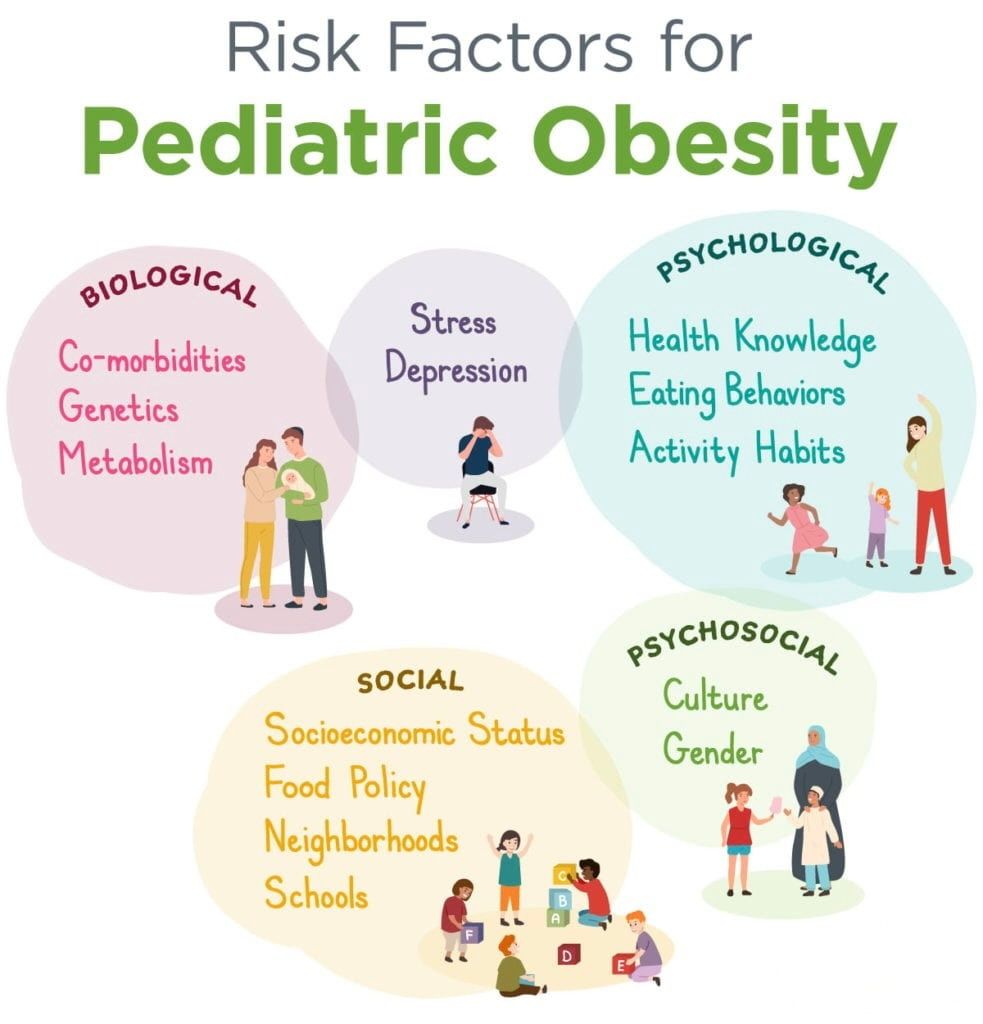
Childhood obesity is a growing health problem in young children.

RSV is a cold that can become serious for babies. When to call your doctor?
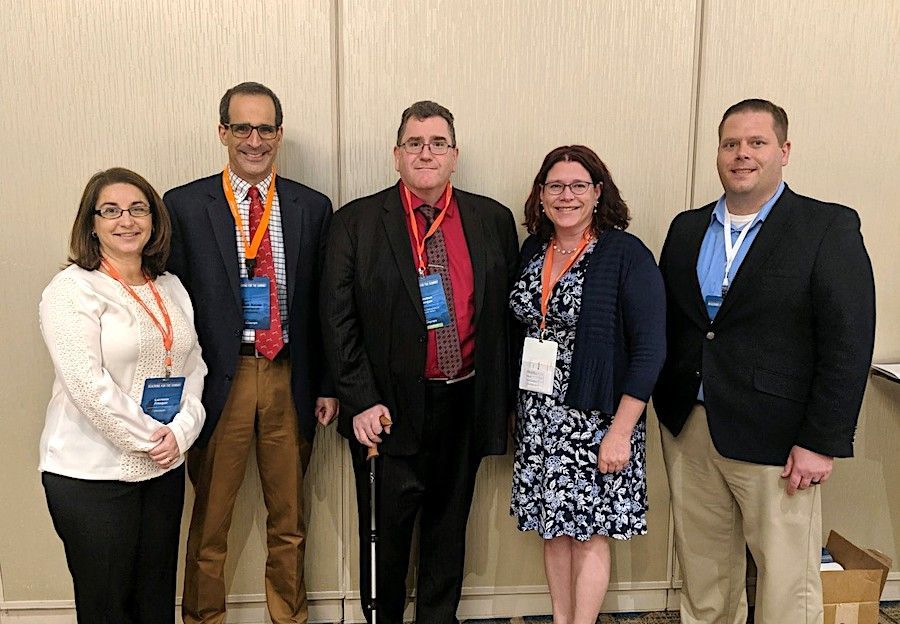
SureScripts Critical Performance Improvement Summit in Minneapolis, MN.

The Medical Team at PAGS believes that practicing pediatrics encompasses the whole child. We regularly evaluate and discuss the physical, social, emotional, and developmental well-being of children from newborn to young adults. The foundation of the whole child is his/her growth and development.

Traveling with children can be a delight and a challenge. Here are some helpful strategies and tips to make things easier.

Senior year is a time of intense anxiety and loss, surrounding an inevitable next step for many youth — college. As much as we would like summer vacation to be about, well, vacationing, odds are many students and their parents aren't having a totally worry-free summer.

How can I keep my kids safe online?! Viral challenges like the “momo challenge” that surfaced recently are only one of the many dangers that face our young, impressionable children.

How do we discourage vaping and educate teens and their parents on the dangers of e-cigarette use in what the FDA is calling an epidemic.

In a time when we rely on “Google” to answer almost any and all questions that come up on a given day, more people are turning to the internet for medical advice.
As the calendar changes to December the fall sports season comes to an end. This past fall was particularly busy in our practice, seeing a large number of patients with concussive brain injuries. Although there were soccer, volleyball, field hockey and cheerleading athletes with concussive injuries, the vast majority of patients with concussions were football players ranging in age from an 8 year old Pop Warner athlete to a 20 year old college football player. Brain trauma at any age is serious, but what is becoming an increasing concern with football in particular, are the multiple repetitive sub-concussive head impacts that occur throughout a tackle football game.